









Саджанець Сакури Канзан Декоративний сорт сакури Сакура дрібнопильчаста Саджанець декоративного дерева
Piantina di Sakura Kanzan Varietà decorativa di sakura Sakura finemente seghettata Piantina di albero ornamentale
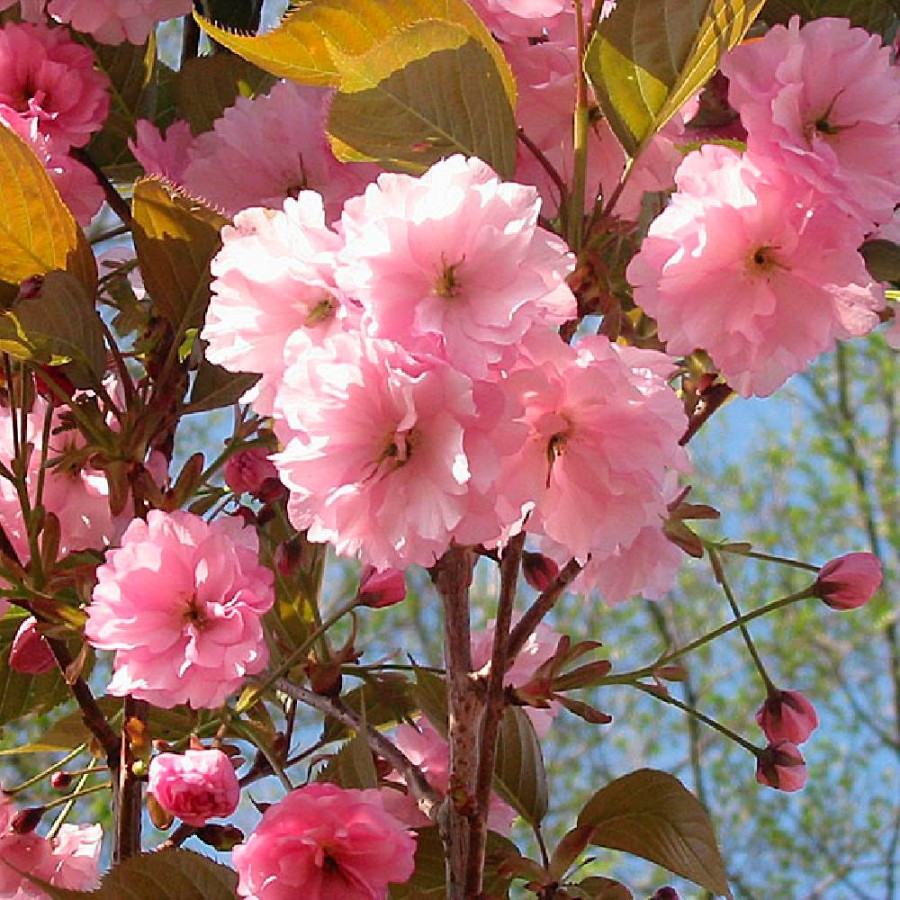
Il Sakura Kanzan è una varietà di ciliegio molto diffusa. Si tratta di un albero che può raggiungere i 10 metri di altezza e i 5-6 metri di larghezza. I rami sono leggermente penduli, mentre quelli principali sono robusti e rivolti verso l’alto. La chioma, da giovane, ha la forma di un cono rovesciato, mentre con l’età si allarga.
Caratteristiche:
Le foglie sono ellittiche, alterne, lunghe fino a 8-12 cm, lucide, e cambiano colore durante le stagioni: in primavera durante la fioritura sono color bronzo, in estate verdi, in autunno diventano giallo-arancio.
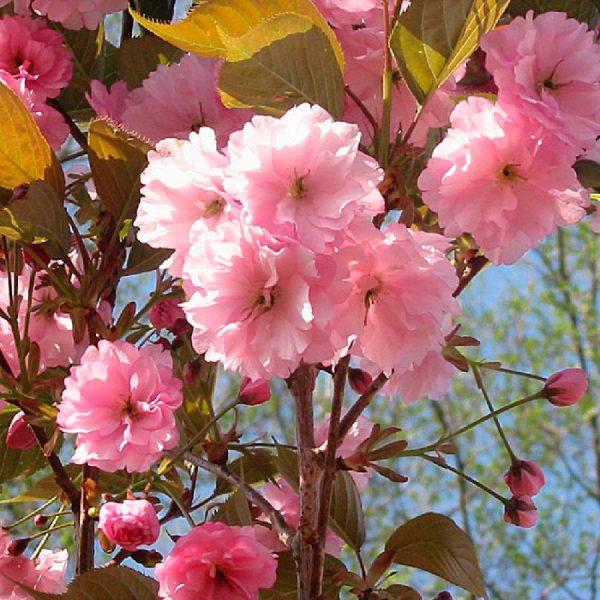
Inizia a fiorire 1-2 anni dopo la messa a dimora. Fiorisce abbondantemente, all’inizio di maggio, per 1-2 settimane. I fiori sono doppi (fino a 30 petali), fino a 6 cm di diametro, rosa, riuniti in grappoli di 2-5, profumati. I frutti sono piccoli, delle dimensioni di un pisello, bacche nere, dal sapore amaro.
Resiste al gelo fino a -29 °C.
Si consiglia di piantarla in luoghi soleggiati, al riparo dai venti freddi. Predilige terreni umidi, freschi, ricchi di sostanze nutritive, da neutri a fortemente alcalini. Può crescere anche in normali terreni da giardino. Si adatta bene alle condizioni urbane. Non tollera i ristagni d’acqua.
La potatura va effettuata come potatura sanitaria dopo la fioritura, nel periodo da maggio a luglio.
Utilizzata in piantagioni singole e in gruppo. Albero molto decorativo.
Piantine alte 1,2-1,4 m, con un apparato radicale ben sviluppato!
250,00 ₴
Немає в наявності
Customer Reviews
Online Sports Nutrition and Natural Dietetics.
Chances are there wasn't collaboration, communication, and checkpoints, there wasn't a process agreed upon or specified with the granularity required. It's content strategy gone awry right from the start. Forswearing the use of Lorem Ipsum wouldn't have helped, won't help now. It's like saying you're a bad designer, use less bold text, don't use italics in every other paragraph. True enough, but that's not all that it takes to get things back on track.
The villagers are out there with a vengeance to get that Frankenstein
You made all the required mock ups for commissioned layout, got all the approvals, built a tested code base or had them built, you decided on a content management system, got a license for it or adapted:
- The toppings you may chose for that TV dinner pizza slice when you forgot to shop for foods, the paint you may slap on your face to impress the new boss is your business.
- But what about your daily bread? Design comps, layouts, wireframes—will your clients accept that you go about things the facile way?
- Authorities in our business will tell in no uncertain terms that Lorem Ipsum is that huge, huge no no to forswear forever.
- Not so fast, I'd say, there are some redeeming factors in favor of greeking text, as its use is merely the symptom of a worse problem to take into consideration.
- Websites in professional use templating systems.
- Commercial publishing platforms and content management systems ensure that you can show different text, different data using the same template.
- When it's about controlling hundreds of articles, product pages for web shops, or user profiles in social networks, all of them potentially with different sizes, formats, rules for differing elements things can break, designs agreed upon can have unintended consequences and look much different than expected.
This is quite a problem to solve, but just doing without greeking text won't fix it. Using test items of real content and data in designs will help, but there's no guarantee that every oddity will be found and corrected. Do you want to be sure? Then a prototype or beta site with real content published from the real CMS is needed—but you’re not going that far until you go through an initial design cycle.


Відгуки
Очистити фільтриВідгуків немає, поки що.